As modern construction standards continue to rise, exterior wall protection has become a critical focus for builders, architects, and material manufacturers. Wall putty, traditionally used for surface leveling and finishing, is now expected to provide enhanced waterproofing, durability, and weather resistance. With increasing exposure to harsh environmental conditions such as rain, humidity, UV radiation, and temperature fluctuations, improving the waterproofing performance of exterior wall putty has become a key industry priority.
Understanding the Importance of Waterproofing in Exterior Wall Putty
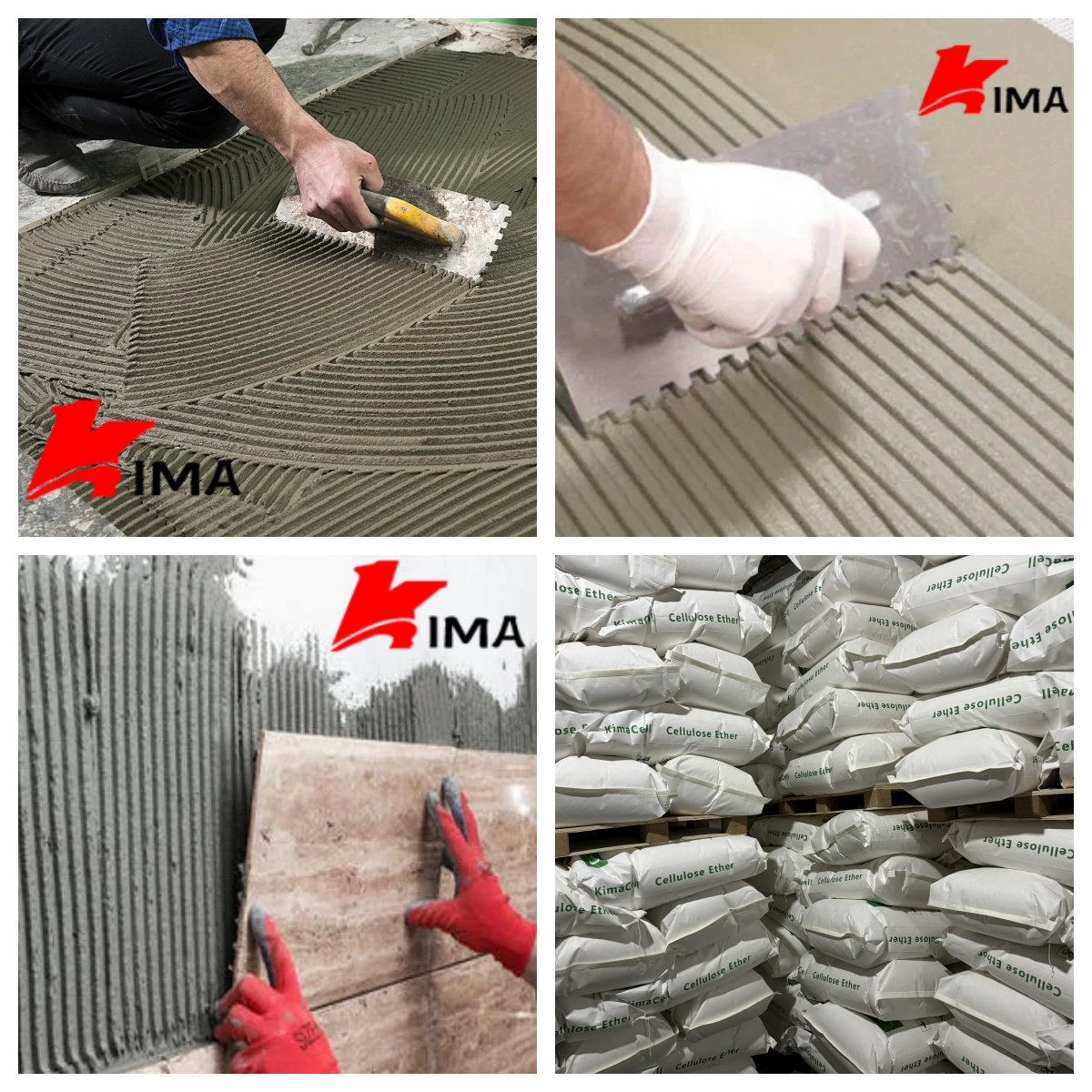
Exterior wall putty serves as a protective and decorative layer applied before painting or coating. While its primary function has traditionally been to create a smooth surface, it now plays a crucial role in protecting buildings from moisture intrusion.
Water penetration can lead to serious issues, including:
Cracking and peeling of coatings
Mold and mildew growth
Reduced structural integrity
Efflorescence and discoloration
Therefore, improving waterproofing is essential not only for aesthetic purposes but also for long-term durability and building health.
Optimizing Cement-Based Formulation
The base formulation of wall putty significantly affects its waterproofing performance. Cement-based putties rely on proper hydration to develop strength and density.
To enhance waterproofing:
Use high-quality cement with consistent fineness
Optimize the cement-to-filler ratio
Incorporate fine fillers such as calcium carbonate to reduce porosity
A denser microstructure reduces capillary pores, limiting water penetration. Proper formulation ensures a compact and uniform matrix, which is the foundation of waterproof performance.
Role of Cellulose Ether in Water Retention and Film Formation
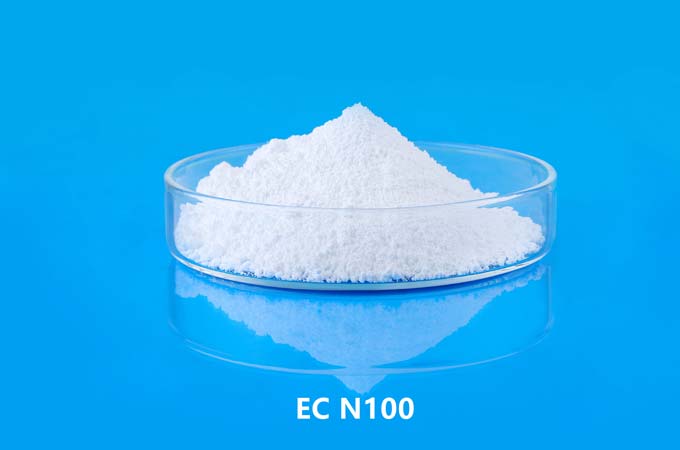
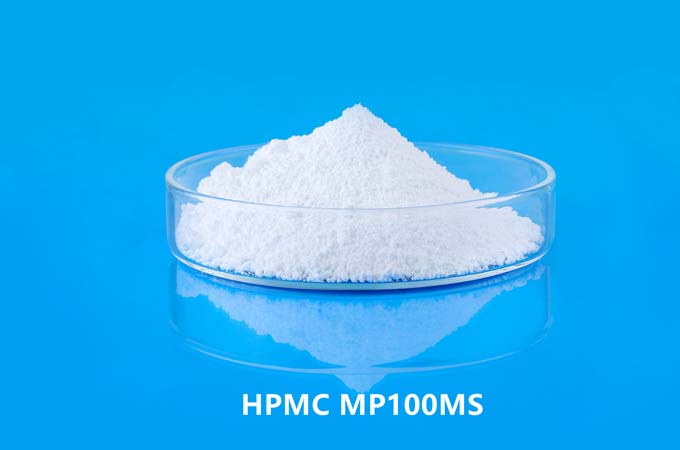
Cellulose ethers such as HPMC and MHEC are essential additives in wall putty formulations. They improve water retention, ensuring proper cement hydration and reducing microcracks.
These materials also contribute to:
Improved workability
Enhanced adhesion
Reduced shrinkage
By maintaining moisture during curing, cellulose ether helps form a more uniform and less porous structure, indirectly enhancing waterproofing.
Manufacturers like Ashland Global Holdings Inc. continue to innovate in cellulose ether technology to improve performance in exterior applications.
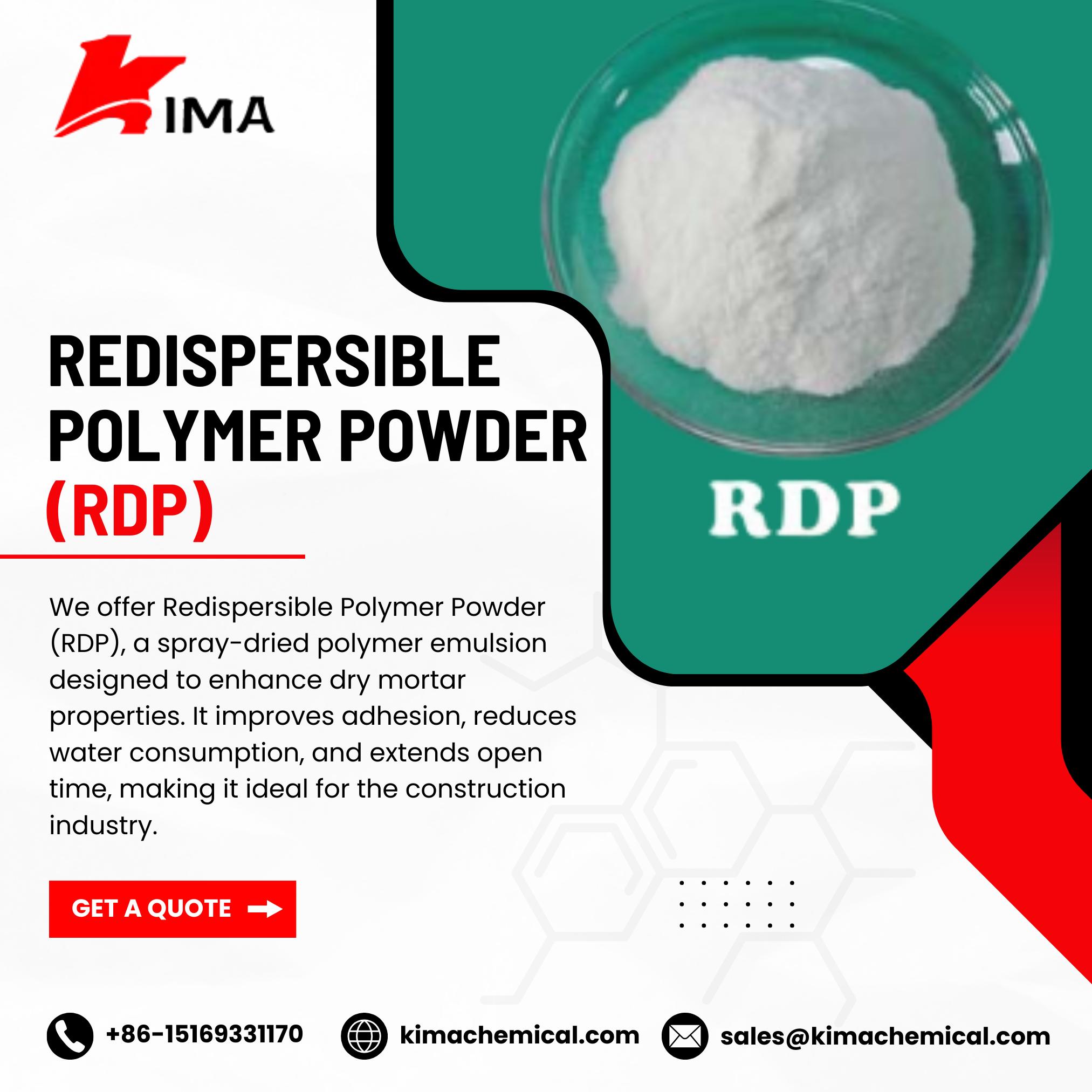
Incorporation of Redispersible Polymer Powder (RDP)
One of the most effective ways to improve waterproofing is by adding redispersible polymer powder (RDP). When mixed with water, RDP forms a flexible polymer film within the cement matrix.
Benefits include:
The polymer film blocks capillary pores and creates a water-resistant barrier. This significantly improves the ability of the putty to withstand rain and moisture exposure.
Use of Hydrophobic Additives
Hydrophobic agents are specifically designed to repel water. Common types include:
These additives reduce surface energy, preventing water from penetrating the material. Instead of being absorbed, water forms droplets and rolls off the surface.
Companies such as Dow Chemical Company are known for developing advanced hydrophobic solutions for construction materials.
Controlling Porosity and Microstructure
Waterproofing performance is closely related to the internal structure of the putty. High porosity leads to increased water absorption.
To control porosity:
Use fine particle size fillers
Optimize mixing and dispersion
Ensure proper curing conditions
A dense microstructure minimizes capillary channels, reducing water penetration and improving durability.
Enhancing Crack Resistance
Cracks are one of the main pathways for water ingress. Even a well-formulated putty can fail if cracks develop.
To improve crack resistance:
By preventing cracks, the integrity of the waterproof layer is maintained.
Application Techniques and Best Practices
Proper application is just as important as formulation.
Key practices include:
Applying putty in thin, even layers
Allowing sufficient drying time between coats
Avoiding application under extreme weather conditions
Incorrect application can lead to defects that compromise waterproofing performance.
Environmental Factors and Durability Testing
Exterior wall putty must withstand various environmental conditions:
Rain and humidity
UV radiation
Temperature fluctuations
Testing methods include:
Water absorption tests
Freeze-thaw cycles
Weathering simulations
These tests help ensure long-term waterproof performance.
Future Trends and Innovations
The industry is moving toward:
Nano-modified additives for enhanced performance
Eco-friendly formulations
Smart materials with self-healing propertie


 English
 日本語
日本語 français
 Deutsch
 Español
 العربية
 Türkçe
 italiano
 русский
 português
 Nederland