Hydroxypropyl methylcellulose (HPMC) is an indispensable polymer additive in modern dry-mix mortars, playing a crucial role in systems such as putty powder, tile adhesive, plastering mortar, self-leveling compound, and cement-based waterproofing materials. Especially in the cement hydration process, the introduction of HPMC significantly alters the hydration reaction rate, product structure, and overall mortar performance, thereby achieving dual optimization of workability and hardening performance.
HPMC Water Retention Significantly Delays Initial Cement Hydration
1.1. Extending the Wet Time of Cement Particles
Because water is not easily lost, the surface of cement particles is coated for a longer period, resulting in a more uniform hydration reaction.
1.2. Reducing the Peak Hydration Rate
In a water-retaining environment, the rate of heat release for hydration decreases, and the peak heat of hydration is delayed, helping to inhibit early cracking.
1.3. Delaying Initial Setting Time
The "water film" effect of HPMC slows down ion diffusion, making the initial setting time of the mortar longer than that of systems without added cellulose ethers.
HPMC water retention is a key factor in delaying hydration, especially in high-temperature construction environments, significantly improving mortar workability.
HPMC Adsorption on Cement Particle Surface Hinders Further Hydration
The ether bonds and hydroxyl groups in the HPMC molecular chain have a certain adsorption capacity, partially adsorbing onto the surface of cement particles, forming a "physical barrier."
This adsorption or coating effect has three effects:
Reduces the diffusion rate of hydration ions (such as Ca²⁺, OH⁻)
Reduces the contact probability between cement particles
Delays the formation rate of C-S-H gel
This delay effect is more pronounced in the early stages of cement hydration.
However, this delay does not affect the final strength; in some systems, it even improves later-stage strength due to more uniform hydration.
HPMC Alters the Microstructure of Cement Hydration Products
3.1. Formation of a Denseer Pore Structure.
HPMC water-holding effect ensures more complete hydration, resulting in a more uniform pore size distribution in the final hardened body.
3.2. Improved C-S-H Gel Structure
Slow hydration makes the gel structure more stable, which is beneficial for improving later strength and durability.
3.3. Enhanced Interfacial Adhesion
The HPMC polymer film forms a flexible transition layer between the substrate and the slurry, improving adhesion.
HPMC not only affects the reaction rate but also changes the overall quality of the hardened body.
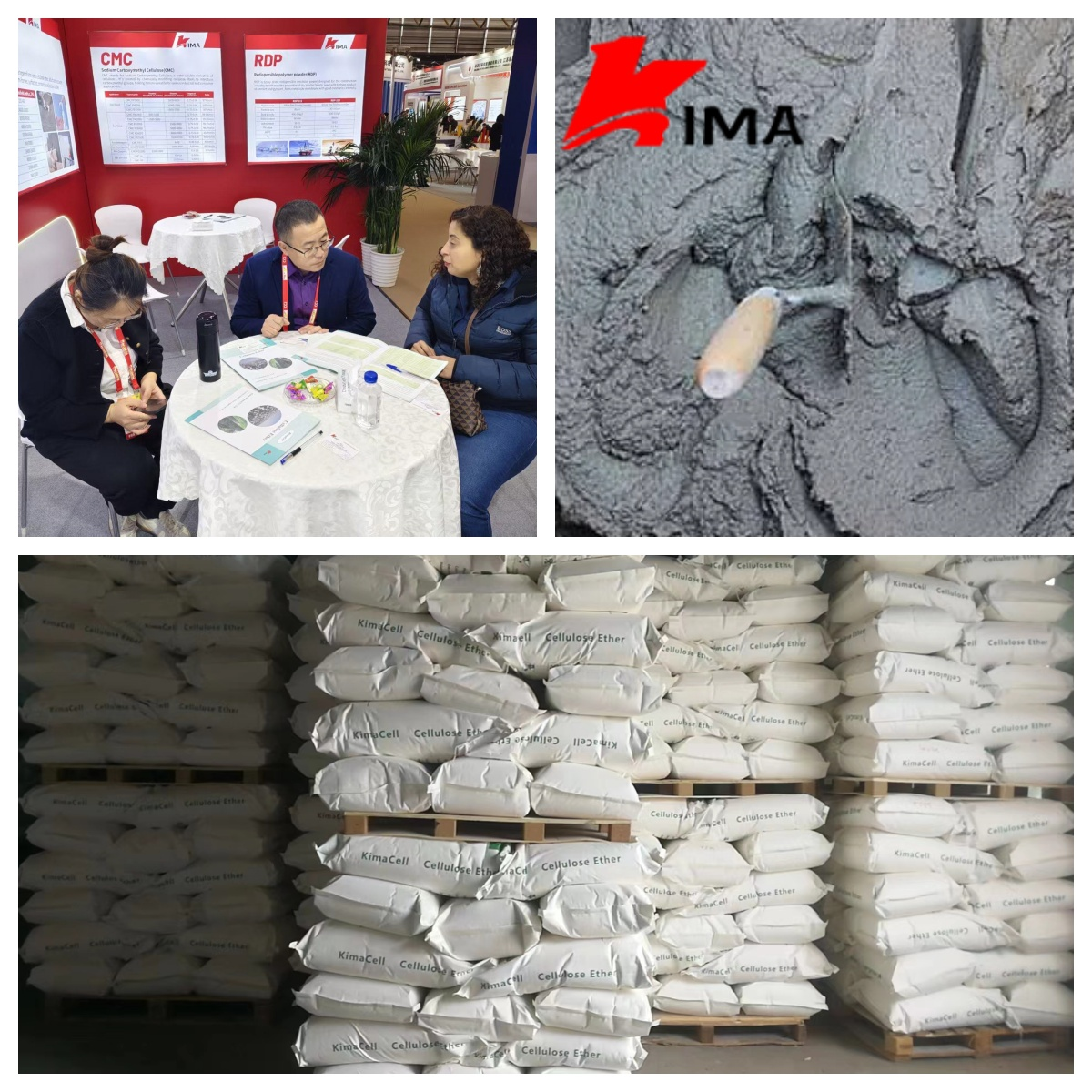
Comprehensive Effects of HPMC on the Macroscopic Properties of Mortar
4.1. Improved Workability
Makes the mortar smoother and easier to apply.
Increases water retention and open time.
Reduces bleeding and segregation, improving stability.
4.2. Extended Workability Time
Delayed hydration gives construction workers more time to adjust the application surface, improving efficiency.
4.3. Improved Crack Resistance
Uniform hydration and good water retention reduce plastic shrinkage cracks.
4.4. Improved Bond Strength
The HPMC polymer film improves the adhesion between the mortar and the substrate, especially on highly absorbent substrates.
HPMC impact on cement hydration is mainly manifested in "delaying the initial stage and optimizing the later stage."
It stabilizes the cement hydration process through water retention, adsorption, and alteration of microstructure, ultimately leading to superior workability and hardening performance.


 English
 日本語
日本語 français
 Deutsch
 Español
 العربية
 Türkçe
 italiano
 русский
 português
 Nederland