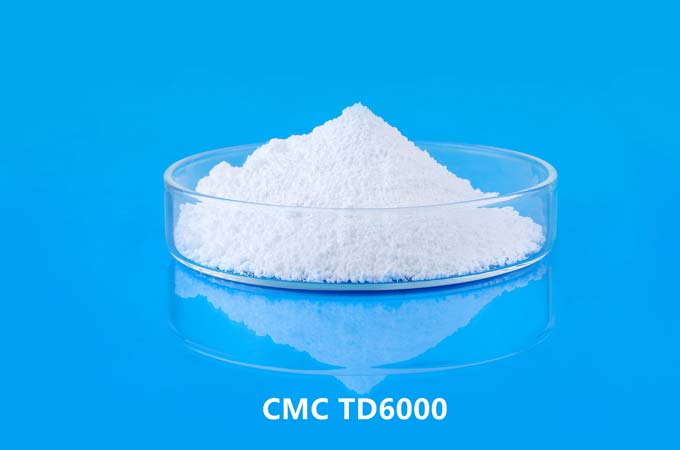
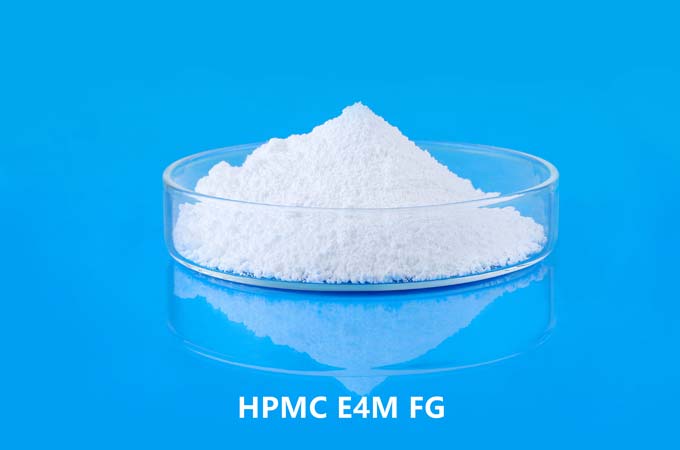
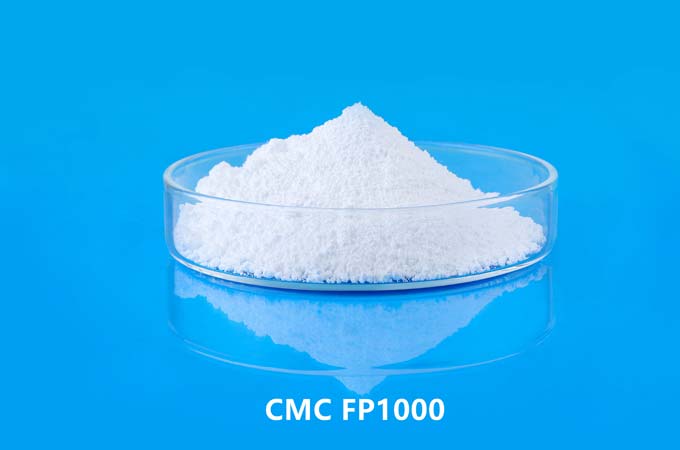
Ink-grade sodium carboxymethyl cellulose (CMC), as an important water-soluble cellulose derivative, plays an irreplaceable role in ink formulations due to its excellent solubility, rheological control capabilities, and environmental friendliness. With the rapid development of green inks, water-based inks, and high-performance printing technologies, the technological value and market demand for ink-grade CMC are showing a continuous upward trend, and its performance advantages and future application prospects have attracted widespread attention in the industry.
1. From a material properties perspective, ink-grade CMC has good water solubility and solution stability, maintaining stable viscosity and dispersibility over a wide pH range. Its solutions typically exhibit pseudoplastic rheological characteristics, rapidly reducing viscosity and increasing fluidity under pressure, while recovering its original structure upon rest. This characteristic is ideal for the requirements of fluidity and ink adhesion stability in printing processes. Furthermore, the surface activity and film-forming properties of CMC endow ink systems with good spreadability and adhesion, enabling excellent printing results on various substrates such as paper and plastic films.
2. In ink production, CMC mainly plays multiple functions, including thickening, stabilizing, suspending, and binding. Especially in water-based inks, CMC can regulate the viscosity of the system, prevent pigment sedimentation, enhance the storage stability of the ink, and improve the uniformity of the ink film during the printing process, including squeegeeing, transfer, and ink film uniformity. Simultaneously, compared with other thickeners, CMC has better system compatibility, is less likely to react adversely with pigments or resins, and has minimal impact on ink gloss, color intensity, and drying speed, maintaining higher color reproducibility.
3. From the perspective of different process applications, ink-grade CMC performs exceptionally well in flexographic printing, gravure printing, and water-based screen printing inks. In flexographic ink systems, CMC can improve the thixotropy of the ink, making the printing process smoother and reducing ink splatter. In gravure inks, it can improve ink flow and plate transfer effects, enhancing the clarity of fine lines and dots. In screen printing inks, CMC, by regulating the system viscosity, allows the ink to have better "screen opening" performance under squeegee pressure. Furthermore, the water-retention properties of CMC can reduce drying in high-speed printing, improving printing continuity and efficiency.
4. From the perspective of industry development trends, the market demand for ink-grade CMC is driven by multiple factors. First, increasingly stringent global environmental regulations are pushing petroleum-based solvent-based inks towards water-based and environmentally friendly inks. As a natural cellulose derivative, CMC possesses environmental advantages such as renewability, biodegradability, and safe use, which aligns perfectly with the development direction of green inks. Second, the rise of digital printing and packaging printing places higher demands on the rheological controllability, sedimentation stability, and color performance of inks. CMC, with its stable rheological structure controllability, has greater potential in improving the overall performance of inks. Third, the increasing demand for high-solids-content inks and high-concentration pigment dispersions makes CMC a significant advantage in improving the dispersion stability and shelf life of systems.
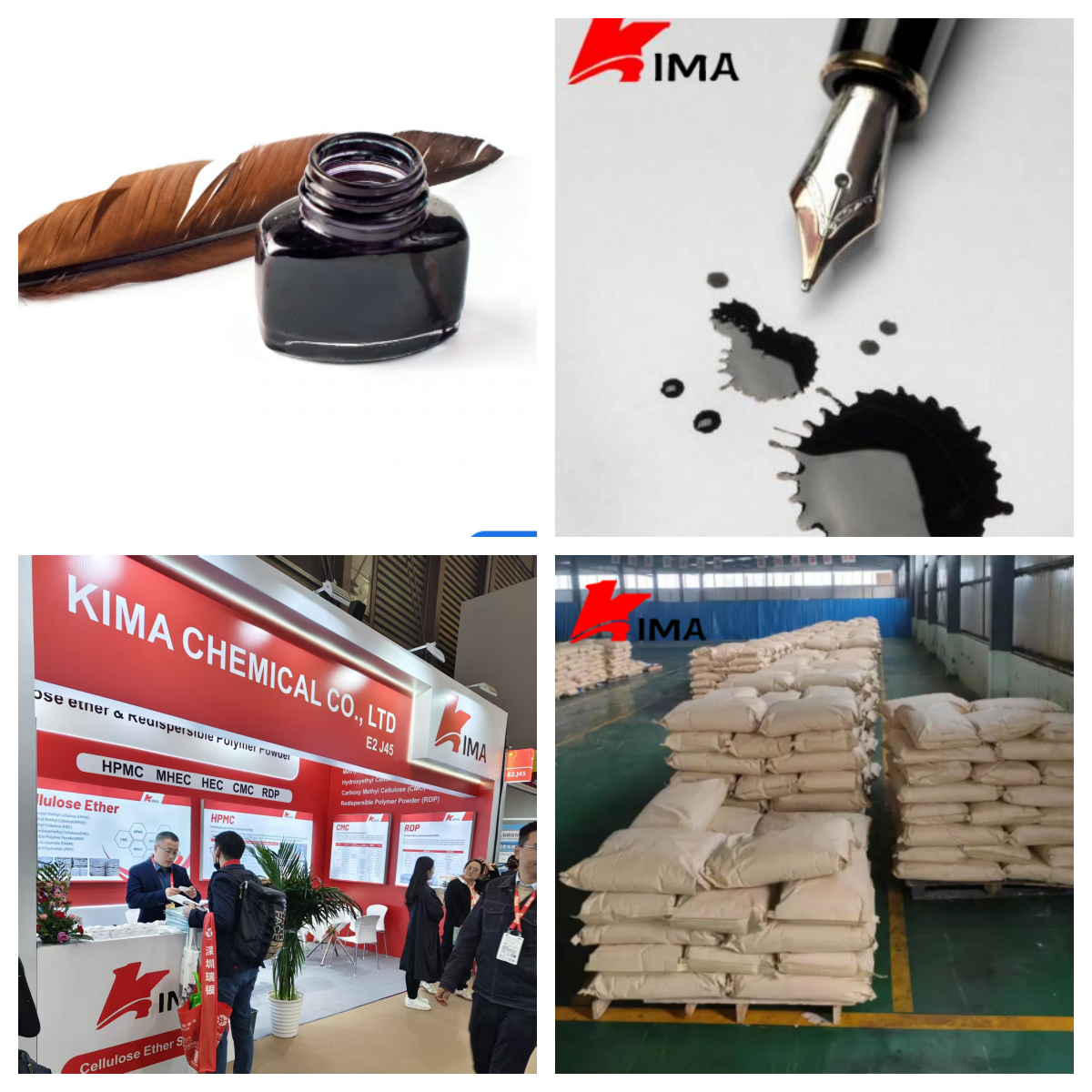
5. The application of ink-grade CMC will also develop towards higher viscosity grades, customized substitution ratios, and surface-modified products to meet the special performance requirements of high-speed printing, nano-pigment inks, and digital inkjet inks. Simultaneously, the optimized compounding of CMC with other functional polymer materials will drive further breakthroughs in ink systems in terms of rheological properties, gloss retention, abrasion resistance, and printing accuracy.
6. Ink-grade CMC, with its excellent rheology control, stability, and environmentally friendly properties, has become a key additive in water-based ink systems. With the rapid development of green printing technologies and high-performance inks, its application prospects will continue to expand, and its industry value will be further highlighted.


 English
 日本語
日本語 français
 Deutsch
 Español
 العربية
 Türkçe
 italiano
 русский
 português
 Nederland